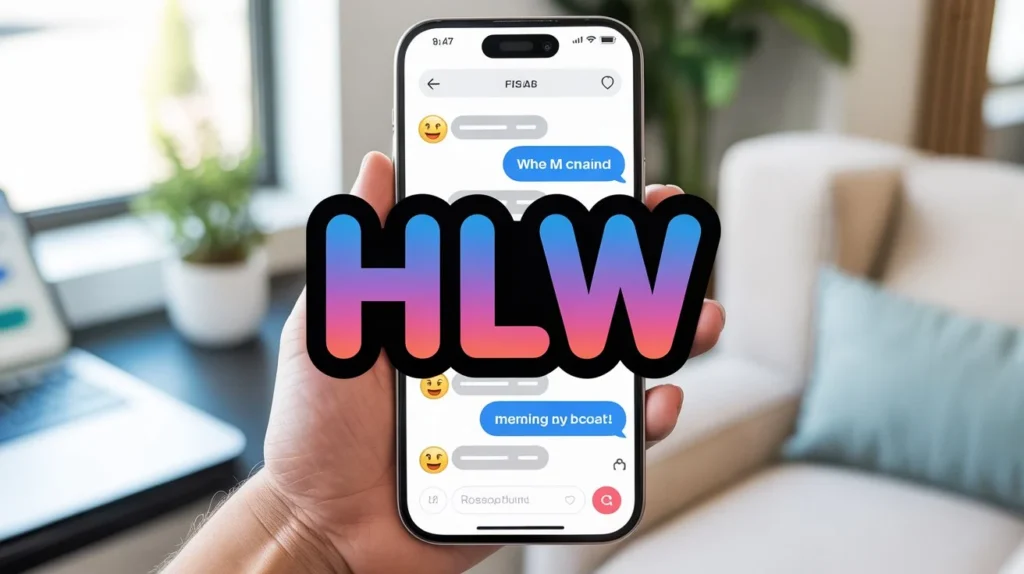
If you’ve spent time chatting on WhatsApp, Facebook Messenger, Instagram, or gaming apps, you’ve probably seen someone type “HLW” instead of “hello.” For many people, especially those newer to internet slang, the abbreviation can feel confusing at first.
You might wonder:
- Is HLW a greeting?
- Is it rude or casual?
- Why do people spell “hello” this way?
- Is it popular everywhere or only in certain countries?
The truth is simple: in most chats, HLW means “Hello.”
But like many internet abbreviations, the deeper meaning goes beyond just the letters themselves. The way people type greetings online often reflects personality, mood, culture, speed, and even emotional closeness.
Modern texting culture has changed how people communicate. Messages are shorter, faster, and more emotionally layered than ever before. Something as small as “hlw” can feel friendly, cold, playful, lazy, or affectionate depending on context and tone.
This guide explains everything you need to know about HLW meaning in chat, including its origin, emotional meaning, real-life examples, cultural usage, misunderstandings, and how to respond naturally.
HLW Meaning in Chat – Quick Meaning
In texting and online communication, HLW most commonly means:
“Hello”
It’s simply a shortened or stylized version of the greeting “hello.”
People use HLW because:
- it’s fast to type,
- casual,
- modern,
- and common in online chat culture.
Quick Examples
“Hlw bro, what’s up?”
Meaning:
“Hello bro, what’s up?”
“Hlw everyone 👋”
Meaning:
“Hello everyone.”
“Hlw, are you free right now?”
Meaning:
“Hello, are you available?”
The abbreviation is especially common in:
- WhatsApp chats,
- Facebook conversations,
- gaming communities,
- and South Asian texting culture.
Origin & Background of HLW
HLW emerged from the natural evolution of online chatting.
As texting became more popular in the early mobile phone era, people started shortening common words to type faster. Greetings were among the first things users simplified.
Instead of typing:
“Hello”
people experimented with:
- Hlo
- Hlw
- Hii
- Heyy
These spellings weren’t always grammatically correct, but they felt more casual and personal.
Cultural Influence
HLW became particularly popular in South Asian digital culture, especially in countries like:
- Pakistan,
- India,
- Bangladesh,
- Nepal.
In these regions, users often blend English words with local texting habits. Informal spellings became socially accepted because they felt conversational and friendly.
For many people, typing “hlw” feels softer and more relaxed than a formal “hello.”
Social Media Impact
Apps like:
- WhatsApp,
- Facebook Messenger,
- IMO,
- Instagram,
- Telegram
helped spread abbreviations rapidly.
Short greetings became normal because online communication prioritized:
- speed,
- convenience,
- emotional tone,
- and social familiarity.
Over time, HLW evolved from a simple shortcut into a recognizable internet greeting.
Real-Life Conversations Using HLW
WhatsApp Conversation
Person A:
Hlw bro, where are you?
Person B:
At the market. Need anything?
Instagram DM
Person A:
Hlw 😊 long time no talk.
Person B:
I knowww. How have you been?
TikTok Comments
Person A:
Hlw from Pakistan 🇵🇰
Person B:
Hlw 👋 love your videos.
Text Message Between Friends
Person A:
Hlw, you awake?
Person B:
Barely 😭 what happened?
These examples show how HLW usually creates a casual, approachable atmosphere in conversations.
Emotional & Psychological Meaning of HLW
At first glance, HLW looks like just another internet shortcut.
But emotionally, greetings carry more meaning than most people realize.
The way someone says “hello” online can communicate:
- friendliness,
- excitement,
- comfort,
- nervousness,
- or emotional distance.
Why People Use HLW
People often choose HLW because it feels:
- relaxed,
- informal,
- quick,
- and socially comfortable.
A formal “Hello” can sometimes feel stiff in casual chats, while “hlw” feels warmer and more conversational.
Emotional Tone Matters
Compare these two messages:
“Hello. How are you?”
versus
“Hlw 😊”
The second one feels more casual and emotionally open.
That’s the psychological power of informal texting language. Tiny spelling choices subtly change emotional tone.
A Realistic Scenario
Imagine reconnecting with an old friend after months of silence.
Typing:
“Hello.”
may feel distant.
But:
“Hlw 😭 where have you been?”
feels personal, emotional, and familiar.
That emotional softness explains why abbreviations like HLW remain popular.
Usage of HLW in Different Contexts
Social Media
HLW appears frequently on:
- Facebook,
- Instagram,
- WhatsApp,
- TikTok,
- gaming chats.
It’s commonly used to:
- start conversations,
- greet online friends,
- or casually enter group chats.
Example:
“Hlw everyone 👋”
Friends & Relationships
Among friends, HLW feels relaxed and friendly.
In relationships, it can sound affectionate depending on tone and emojis.
Example:
“Hlw love ❤️”
Now the greeting feels emotionally warm.
Work & Professional Settings
HLW is generally not recommended in professional communication.
Avoid using it in:
- job emails,
- business chats,
- workplace communication,
- academic discussions.
Professional environments usually prefer:
“Hello”
or
“Hi”
instead of slang abbreviations.
Casual vs Serious Tone
Casual Example
“Hlw bro 😂”
Friendly and informal.
Serious Example
“Hlw, we need to talk.”
Now the message feels emotionally heavier despite the casual greeting.
Tone changes interpretation completely.
When NOT to Use HLW
Even harmless slang has situations where it may feel inappropriate.
Professional Communication
Using HLW in formal emails can appear immature or unprofessional.
Some people may think it shows lack of seriousness.
First Impressions
If you’re speaking with:
- a teacher,
- employer,
- client,
- or older relative,
a full greeting usually creates a better impression.
Serious Emotional Situations
During difficult conversations, overly casual slang may feel emotionally disconnected.
For example:
“Hlw sorry for your loss”
can feel less respectful than:
“Hello, I’m deeply sorry for your loss.”
Cross-Cultural Confusion
Not everyone recognizes HLW immediately.
Some users may mistake it for:
- a typo,
- random letters,
- or another abbreviation entirely.
Common Misunderstandings About HLW
Thinking HLW Has a Hidden Meaning
Most of the time, HLW simply means “hello.”
People sometimes overthink internet slang because abbreviations often have multiple meanings.
In this case, the meaning is usually straightforward.
Assuming It’s Rude
HLW is generally friendly, not rude.
However, tone and context matter. A dry “hlw” with no follow-up may sometimes feel cold depending on the relationship.
Believing It’s Grammatically Wrong
Technically, HLW isn’t standard English spelling.
But internet language often prioritizes emotion and speed over grammar perfection.
Comparison Table
| Phrase / Keyword | Meaning | Intent |
| what does HLW mean in text | Short form of “hello” | Casual greeting |
| how to use HLW | Informal chat opener | Friendly communication |
| examples of HLW | Real online conversations | Understanding context |
| HLW vs Hello | HLW is casual slang, Hello is formal | Tone difference |
| HLW vs Hi | HLW feels trendier and more digital | Modern texting style |
| HLW in chat | Informal internet greeting | Social connection |
| HLW abbreviation | Shortened greeting | Faster typing |
| HLW slang meaning | Casual online hello | Friendly interaction |
Key Insight
HLW became popular because digital communication values emotional comfort and conversational speed more than formal grammar rules.
Variations & Related Slang Terms
HLO Meaning
HLO = Another shortened spelling of “hello.”
Very common in South Asian chats.
HII Meaning
HII = A stretched version of “hi.”
Often sounds more excited or friendly.
HEYY Meaning
HEYY = Casual enthusiastic greeting.
Adds emotional warmth.
SUP Meaning
SUP = “What’s up?”
A relaxed conversation starter.
YO Meaning
YO = Informal greeting among friends.
Popular in casual internet culture.
GM Meaning
GM = “Good Morning.”
Common in WhatsApp and group chats.
HY Meaning
HY = Short for “Hi.”
Used in very quick conversations.
WSG Meaning
WSG = “What’s good?”
Modern Gen Z greeting slang.
HRU Meaning
HRU = “How are you?”
Often follows greetings online.
WYD Meaning
WYD = “What you doing?”
Used to continue casual conversations.
How to Respond When Someone Uses HLW
Casual Replies
- “Heyyy 😊”
- “Hlw bro.”
- “What’s up?”
Funny Replies
- “Wow formal greeting today 😂”
- “Hlw citizen of Earth 👽”
- “You text like it’s 2015 😭”
Mature Replies
- “Hey, hope you’re doing well.”
- “Hello, how have you been lately?”
- “Good to hear from you.”
Respectful Replies
- “Hello 😊”
- “Hi there.”
- “Nice to hear from you.”
Regional & Cultural Usage of HLW
Western Culture
HLW is less common in Western countries compared to:
- Hi,
- Hey,
- Hello.
Some users may not recognize it immediately.
Asian Culture
HLW is extremely common across South Asian online communities.
Users often combine English abbreviations with local conversational styles naturally.
Middle Eastern Culture
English texting slang is widely understood among younger users, especially in gaming and social apps.
However, full greetings remain more common in formal interactions.
Global Internet Usage
Because social media connects cultures worldwide, HLW now appears across many international online spaces.
Gaming communities especially spread informal greetings rapidly.
Gen Z vs Millennials
Gen Z
Uses abbreviations comfortably and creatively.
Greetings are often stylized with:
- emojis,
- extra letters,
- slang spellings.
Millennials
Generally understand HLW but may prefer more traditional greetings in many conversations.
Is HLW Safe for Kids?
Yes, generally.
HLW is simply a casual version of “hello” and is considered harmless internet slang.
Still, parents should understand the broader online environments where children communicate. Slang itself is rarely dangerous, but digital safety and healthy communication habits always matter.
Discover More Post
- What Does BR Mean In Text? The Hidden Meaning Behind This Common Slang
- What Does BMF Mean In Text? The Real Meaning Behind This Popular Slang
- What Does GTG Mean In Text? The Real Meaning Behind This Popular Chat Abbreviation
- What Does WYA Mean In A Text? The Real Meaning Behind This Popular Slang
- What Does TS Mean In Text? Understanding The Real Meaning Behind This Viral Slang
FAQs About HLW Meaning in Chat
What does HLW mean in texting?
HLW usually means “hello.”
Is HLW rude?
No. It’s generally a friendly and casual greeting.
Is HLW professional?
Not really. Full greetings like “Hello” work better in formal situations.
Why do people type HLW instead of hello?
Mostly for speed, convenience, and casual internet style.
Is HLW popular on WhatsApp?
Yes. It’s especially common in WhatsApp chats and Facebook Messenger conversations.
Is HLW used worldwide?
It’s more common in South Asian internet culture but understood in many online communities globally.
Can adults use HLW?
Yes. Anyone can use it casually in informal conversations.
Conclusion
HLW may seem like a tiny internet abbreviation, but it reflects something much larger about modern communication.
Today’s online conversations are faster, more relaxed, and emotionally shaped by digital culture. People no longer communicate only through formal grammar. They communicate through tone, familiarity, emojis, abbreviations, and social context.
That’s why something as simple as “hlw” can feel warm, casual, playful, or comforting depending on the moment.
Understanding internet slang isn’t just about decoding letters anymore. It’s about understanding how people connect emotionally in digital spaces.
The next time someone sends you “hlw,” you’ll know it’s more than just a shortcut for hello — it’s part of the modern language of online connection.